Filled vs. Unfilled Travertine: Which Should You Specify?
Filled and unfilled travertine are not just aesthetic choices. The right specification affects maintenance, slip feel, edge detailing, traffic performance, and how quickly your installer can complete the job.
The Buyer Question Behind Filled or Unfilled
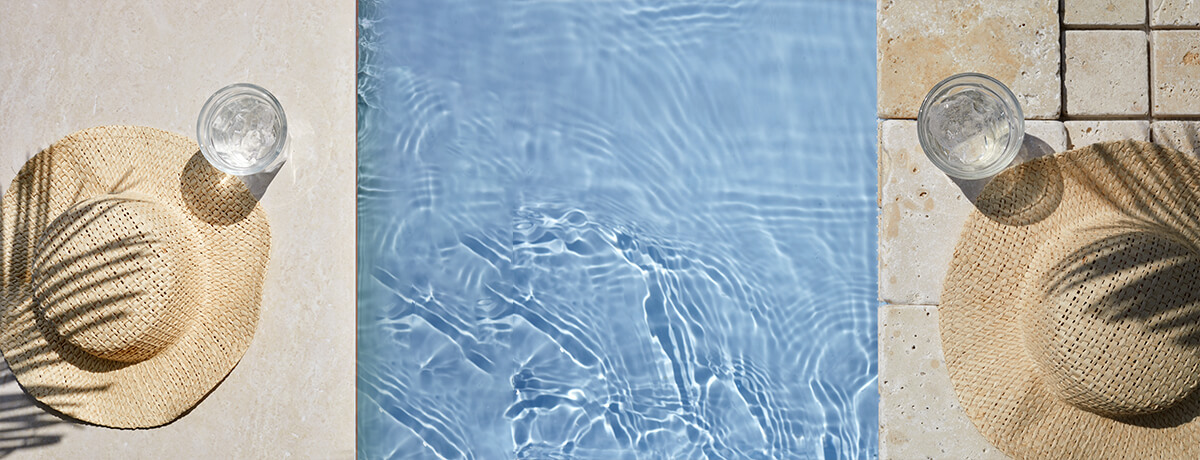
When a client asks for travertine, the first practical decision is often whether the stone should arrive filled or unfilled. Filled travertine has its natural pores closed before final finishing, creating a smoother surface for floors, vanities, bathrooms, restaurants, and retail interiors. Unfilled travertine keeps the open cavities visible, which gives stronger natural texture for feature walls, exterior cladding, garden elements, and projects where the stone's geological character is part of the brief. If you are comparing current formats and thicknesses, start with our travertine shop before narrowing the finish.
When Filled Travertine Is the Commercial Choice
Specify filled travertine when the surface will receive daily foot traffic, furniture movement, rolling luggage, cleaning machines, or frequent spills. A filled and honed finish reduces debris collection in the pores and gives contractors a more predictable surface for grout lines, skirting, stair treads, and cut-to-size pieces. Bianco Maremma is often selected for bright bathrooms and hospitality suites, while Montemerano Classico gives warmer movement for floors that need a more traditional Italian tone.
When Unfilled Travertine Wins
Unfilled travertine is the better purchase when texture is the point. The open pores catch light, make large wall areas less flat, and create a more tactile surface for villas, spa walls, exterior facades, fireplaces, and landscape work. On commercial projects, unfilled panels can make a lobby or restaurant wall feel specified rather than decorated, especially when the architect wants a natural surface that still reads as premium at scale.
How to Make the Final Specification
For a low-maintenance floor, choose filled and honed. For a feature wall or facade, compare unfilled, brushed, split-face, or vein-cut options. If you are also choosing the cutting direction, read our vein-cut vs cross-cut guide before approving slabs. For rare grey movement and stronger contrast, include Etrusco in the sample set, then request a sample so the client can judge tone, pore structure, and finish under real project lighting.