Travertine vs. Marble: What's the Difference and Which Is Better for Your Project?
People often confuse travertine and marble, but they are distinct natural stones created in unique environments. Understanding their differences in formation, durability, and aesthetic helps you choose the right fit for your project.
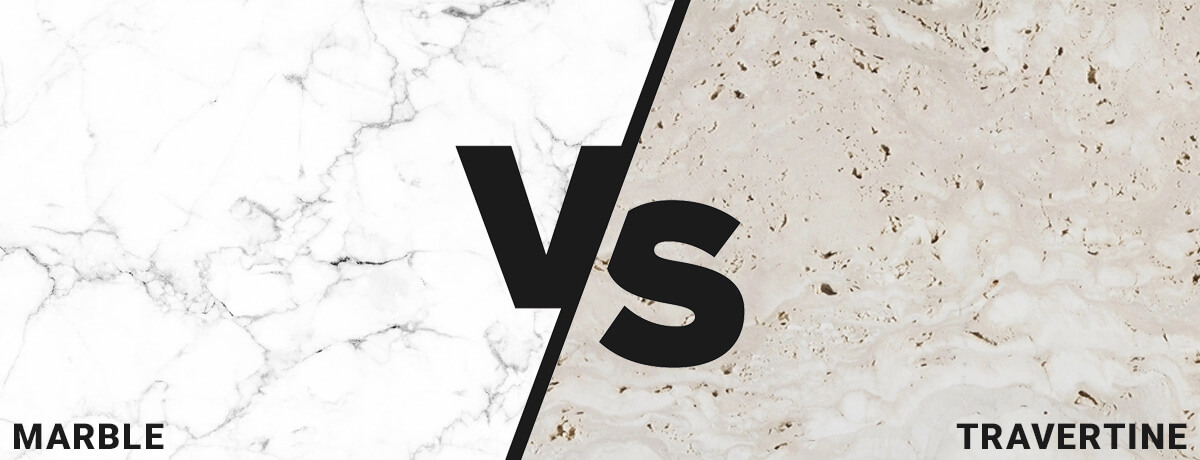
Two Distinct Natural Stones
People often confuse travertine and marble. In fact, many think that travertine is marble or that marble is a fancier word for travertine, but this is not the case. The two are different stones created in unique environments, giving them specific properties, appearance, and character. If you are comparing Italian travertine options for a live project, start with the stones we quarry directly in Tuscany.
How Formation Shapes Each Stone
The key difference between the stones lies in how they are formed. When limestone comes under extreme temperature and pressure deep within the Earth's crust, marble is created. Travertine, on the other hand, forms in hot springs and limestone caves through the rapid precipitation of calcium carbonate, giving it distinctive porous characteristics.
Aesthetic and Design Differences
Travertine offers a warm, earthy palette ranging from ivory and cream to walnut and silver grey, with natural surface texture that adds depth and character. Marble tends toward cooler, more dramatic veining patterns. For architects and designers choosing between the two, consider the project's environment, desired aesthetic, and long-term maintenance requirements.
Proven Through Millennia of Architecture
Both stones have stood the test of millennia in architecture. The Colosseum in Rome was built with travertine, while the Parthenon used marble. Today, travertine remains the preferred choice for projects seeking warmth, authenticity, and a connection to the natural landscape.