Natural Stone vs. Ceramic Tile: What's the Difference and What's Better for Your Project?
With the variety of tiling options available, comparing characteristics and durability can be daunting. Understanding the fundamental differences between natural stone and ceramic helps you make an informed decision.
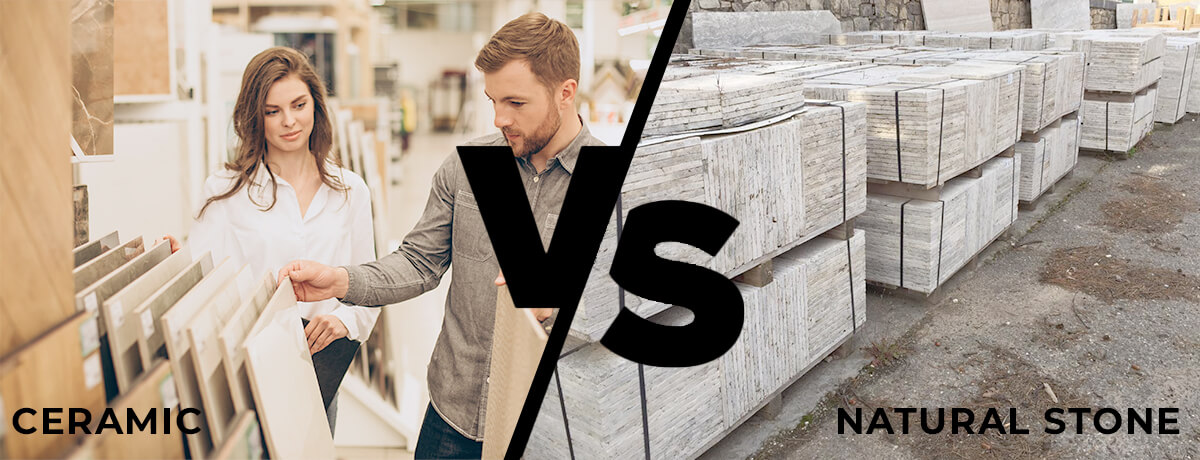
Choosing the Right Tile Material
The possibilities for updating and renovating your home are endless. When it comes to choosing tiles, the question about whether to go with natural stone or ceramic naturally arises. Understanding the differences will help you make an informed decision for your project.
What Makes Natural Stone Special
Natural stone is exactly as it sounds: straight from nature, non-man-made. An example is travertine, a type of limestone formed by mineral deposits from natural hot springs over hundreds of thousands of years. Natural stone tiles are synonymous with luxury and elegance, and they naturally increase the resale value of any property.
Ceramic: Manufactured Consistency
Ceramic tiles are manufactured from clay, sand, and water, then fired in a kiln. While they offer consistency and affordability, they lack the unique character that comes with natural materials. Each natural stone tile is one-of-a-kind, with variations in pattern and color that no manufactured product can replicate.
Long-Term Value Comparison
For long-term value, durability, and timeless aesthetic appeal, natural stone consistently outperforms ceramic. While ceramic may have a lower upfront cost, the longevity, unique beauty, and property value enhancement of natural stone make it the superior investment for discerning homeowners and commercial projects alike.